
Become an MIH Week Sponsor
MIH Week Champions Announcements - Daily starting Oct 4!
MIH Week
October 4 - 10, 2026
Join us for an unforgettable week filled with excitement and inspiration! From engaging panels to hands-on workshops, we’ve packed the schedule with enriching experiences. Connect with fellow enthusiasts and gain insights that will spark your creativity and broaden your knowledge. Don’t miss out on this opportunity to elevate your skills and connect with the community!

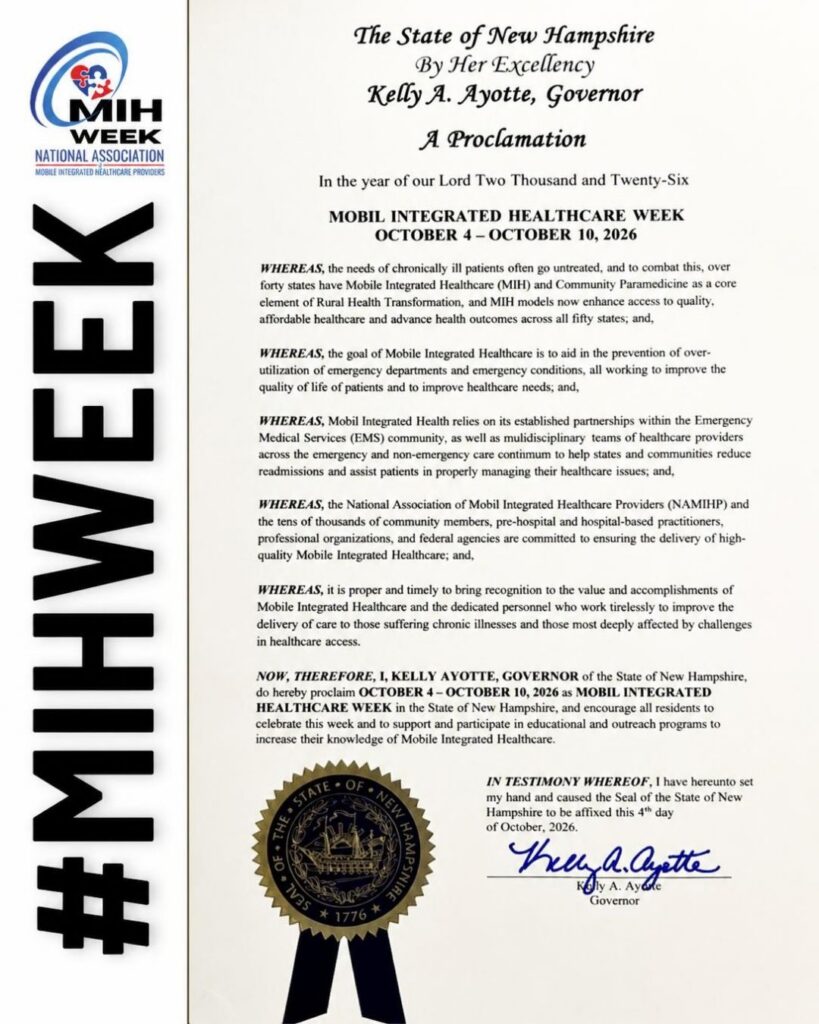
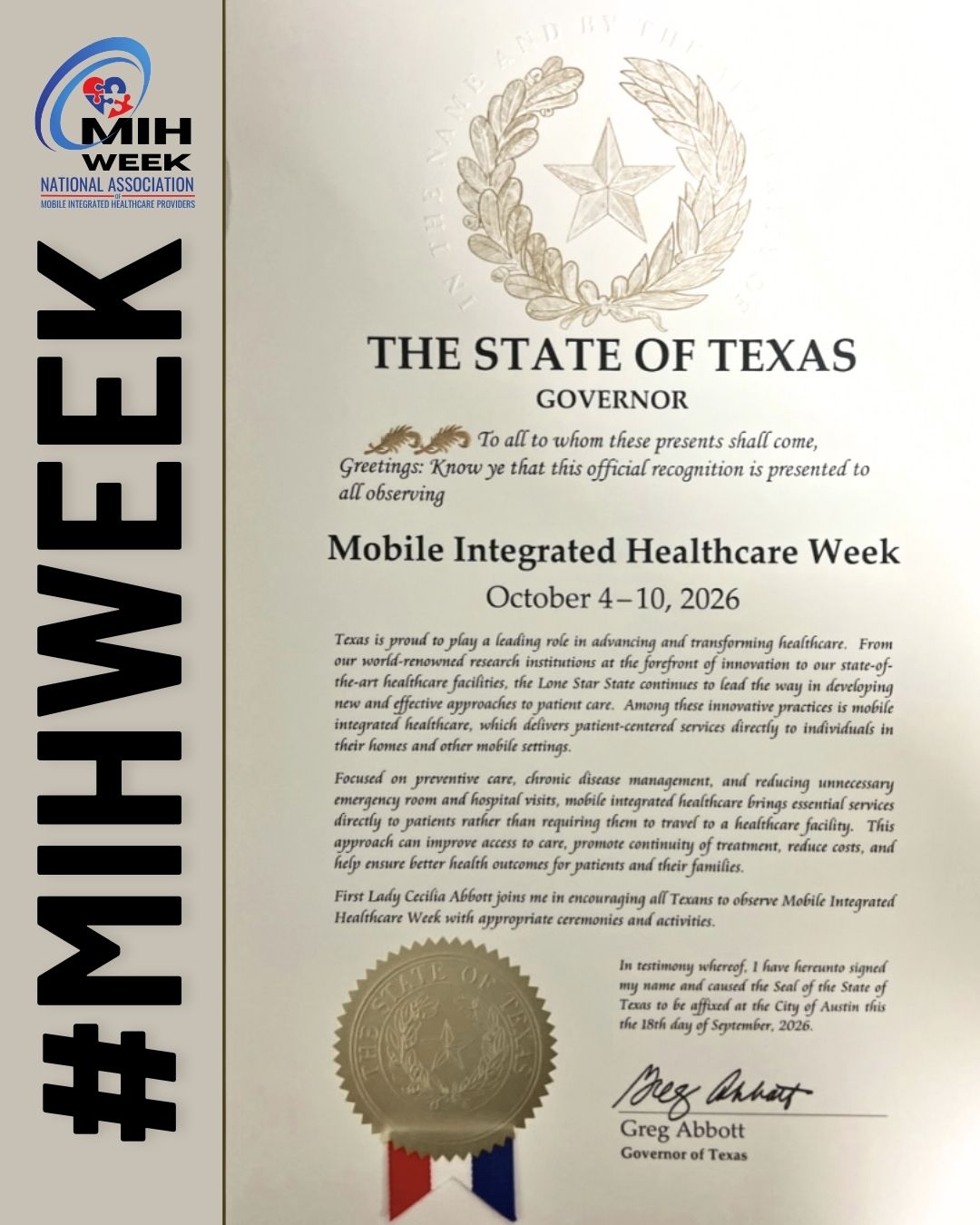
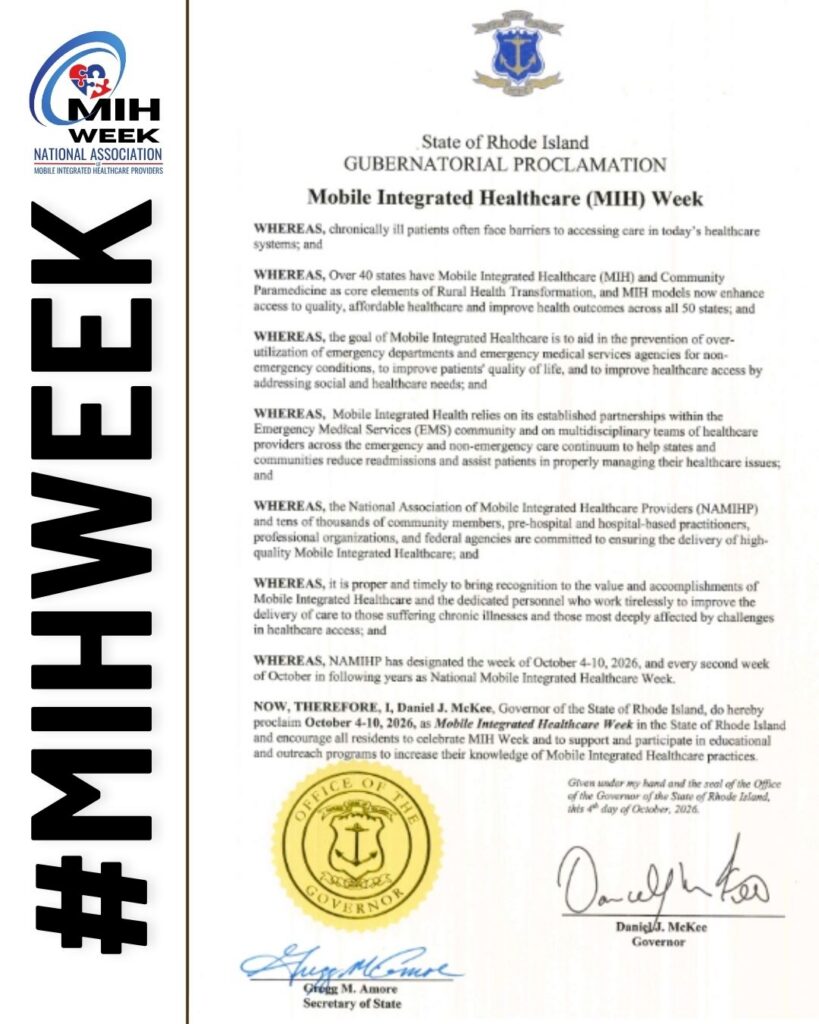
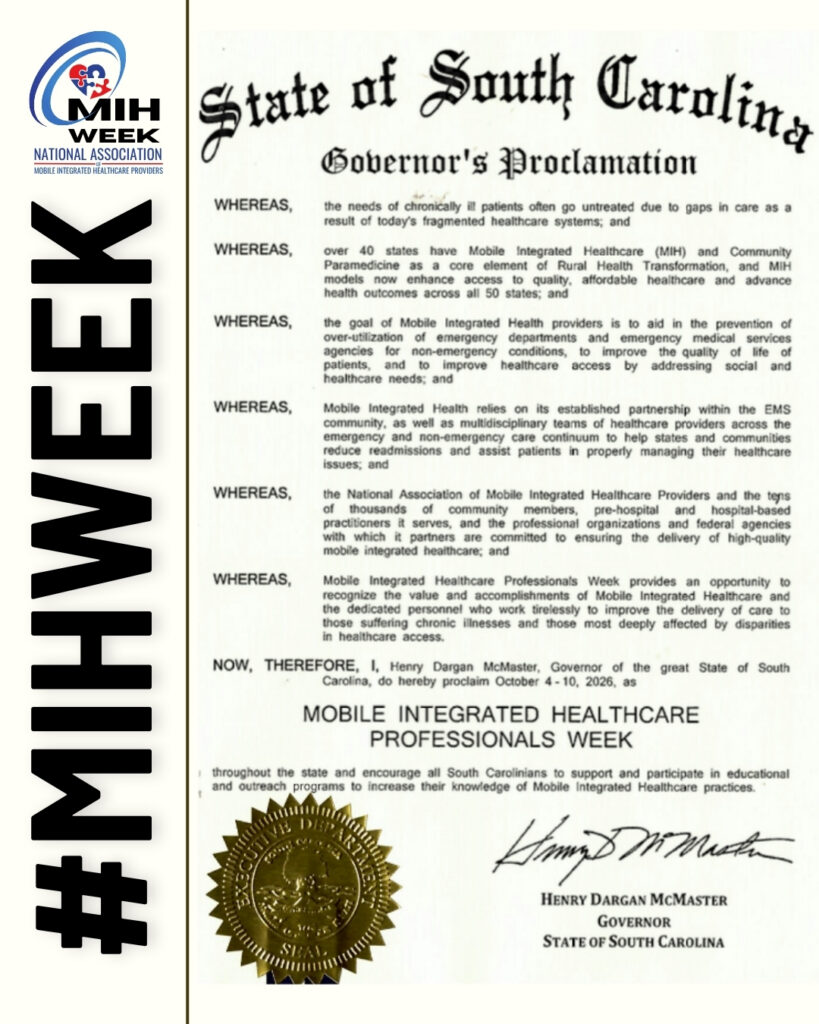
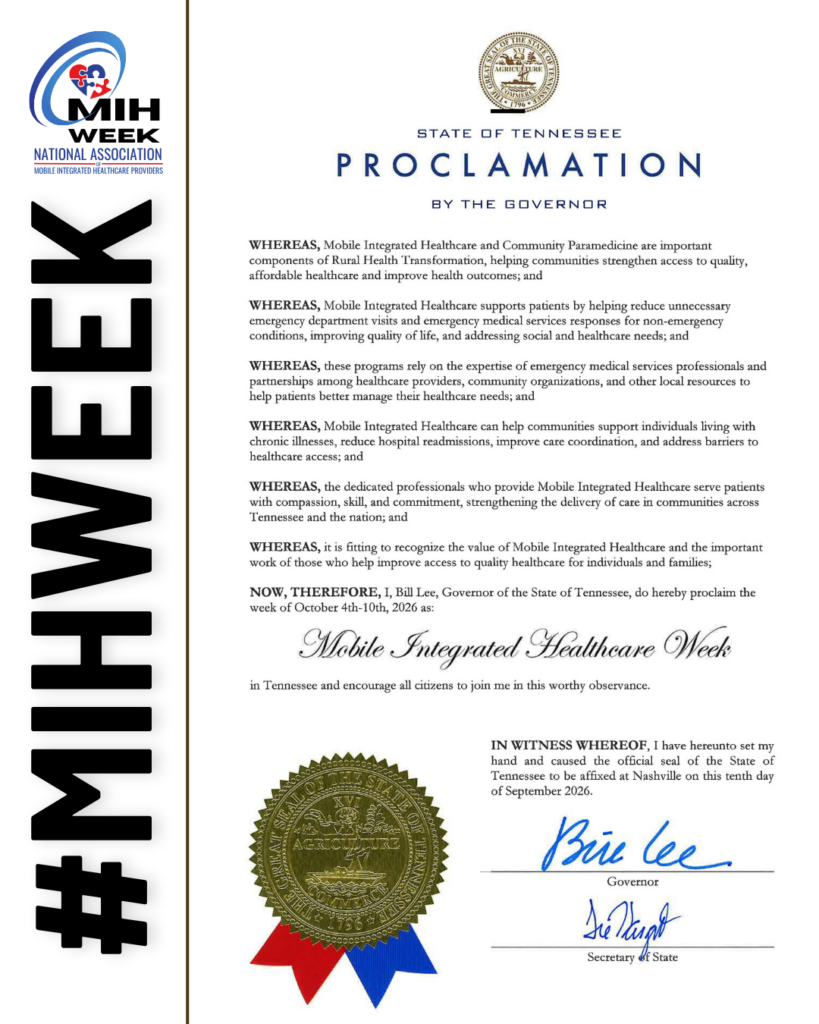
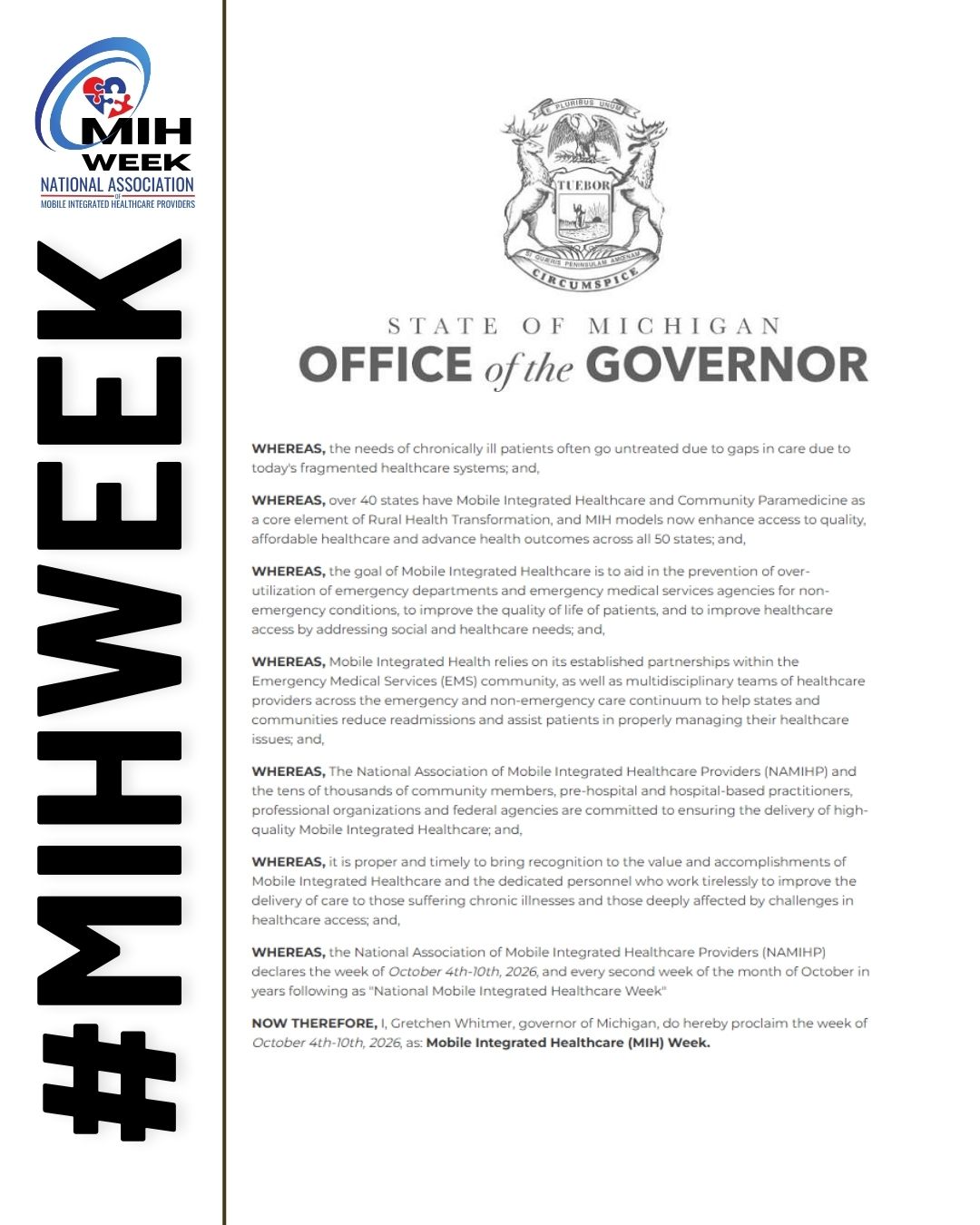
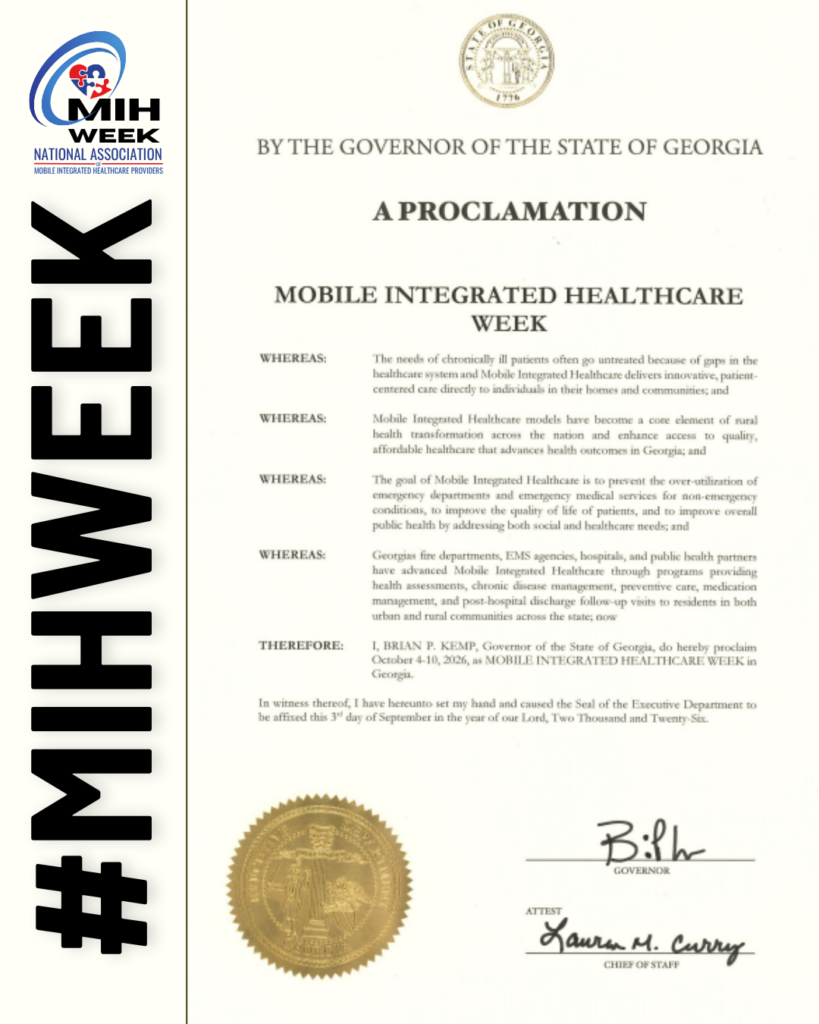
MIH Week Proclamations
Celebrate MIH & CP
MIH Week honors the invaluable contributions of Mobile Integrated Healthcare (MIH) teams in improving the accessibility and quality of healthcare services in our communities. Highlighting MIH efforts through a dedicated week shows gratitude for the vital role of MIH in our healthcare system.

MIH Week Recognizes YOU.
Become an MIH Week Champion
States, healthcare organizations, first responder agencies, and MIH Stakeholders can join NAMIHP in formally recognizing MIH Week to highlight how MIH teams have embraced national healthcare priorities, raise public awareness about the importance of MIH services, and encourage dialogue on how to further enhance the collaboration with mobile integrated healthcare across our nation.

MIH Week Shows Impact
The impact of MIH is profound, as teams provide various services beyond traditional emergency response. They extend the reach of our nation’s healthcare workforce, engage in proactive health assessments, chronic disease management, preventive care, medication management, and post-discharge follow-up visits. By taking healthcare beyond hospital walls, MIH reduces unnecessary emergency department visits, hospital readmissions, and healthcare costs while improving access to care, health outcomes and patient satisfaction.
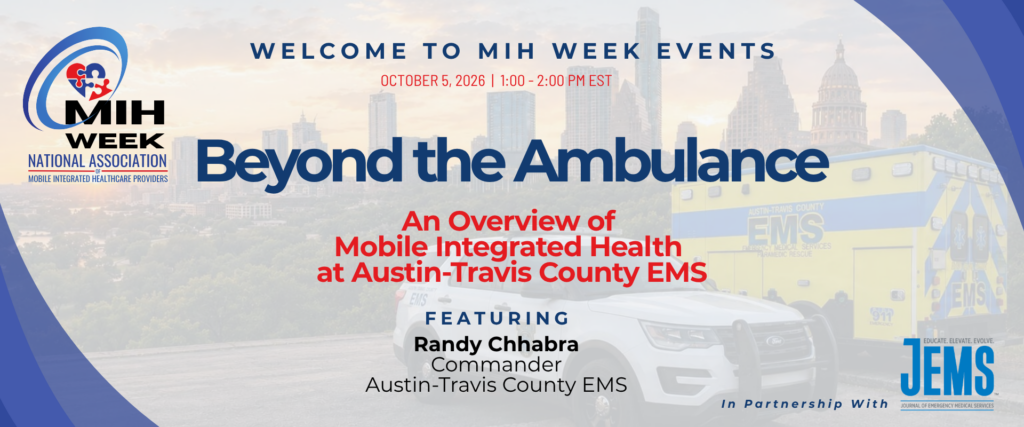
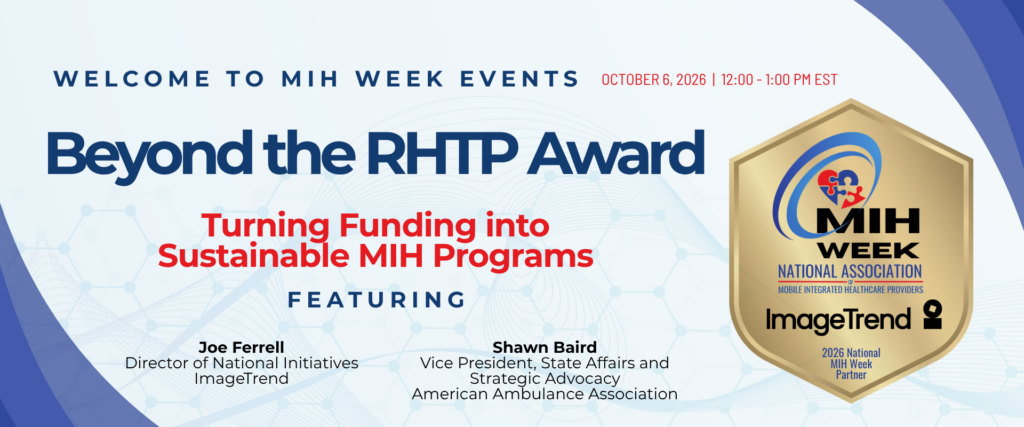
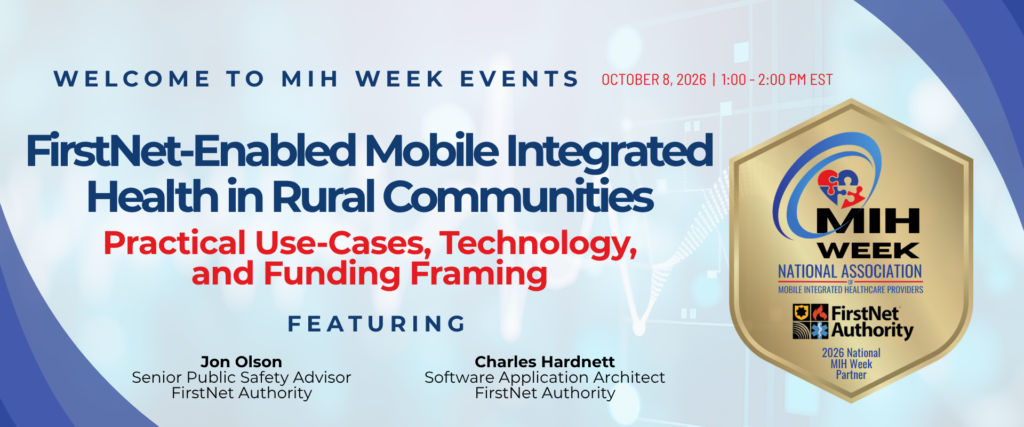
Register for MIH Week Events!
Thank You to Our National MIH Week Partners & Sponsors



Get Your
MIH Week
Logos
Join the Movement
Unlock Your Potential at MIH Week and Transform Healthcare
Get MIH Week recognized in your state!

Meet our Champions
At NAMIHP, we’re proud of the hard work happening in MIH across the country. We’ve seen tremendous growth in the industry and want to continue working to gain recognition and standardization for the field. That’s part of the motivation behind MIH Week. We recognize the heroic endeavors happening in MIH to improve health and care delivery.
Team Approach and Interprofessional Care
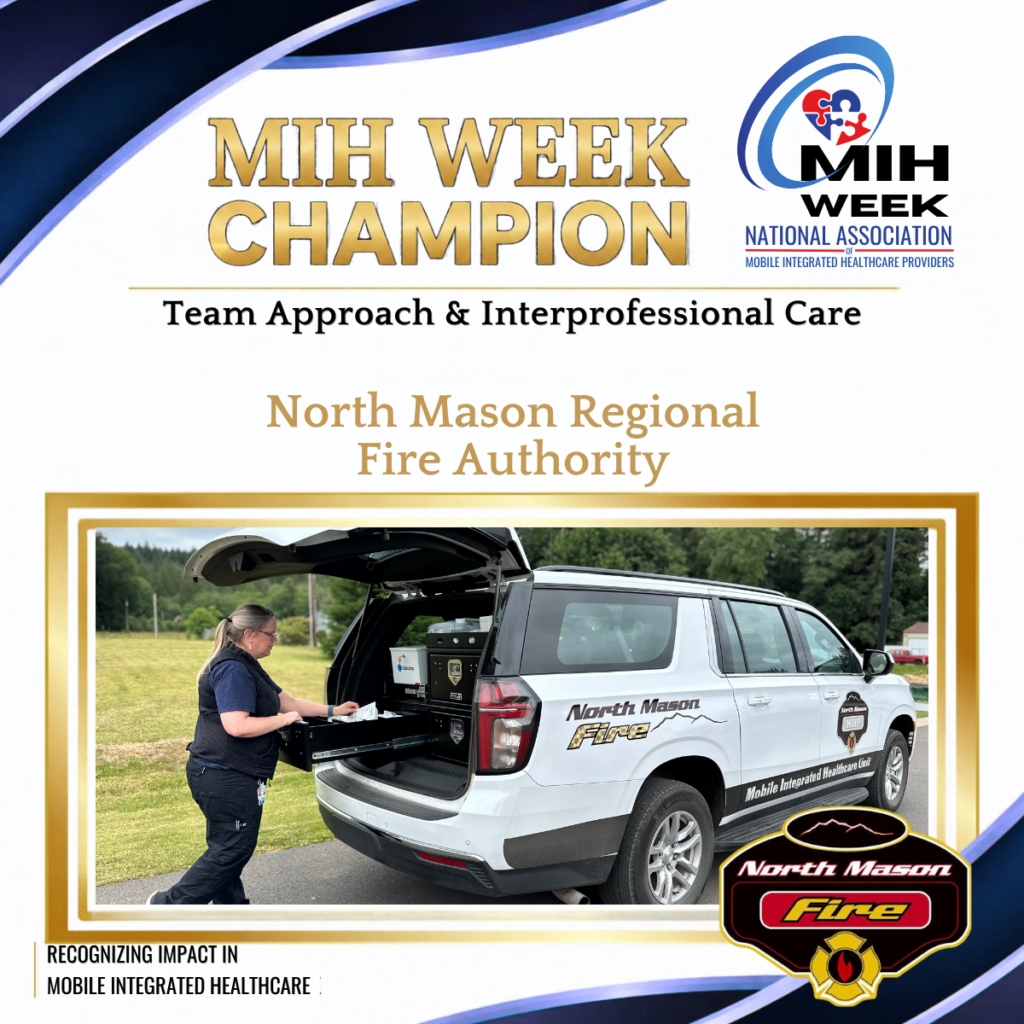
North Mason Regional Fire Authority
Addiction and Substance Use Disorders
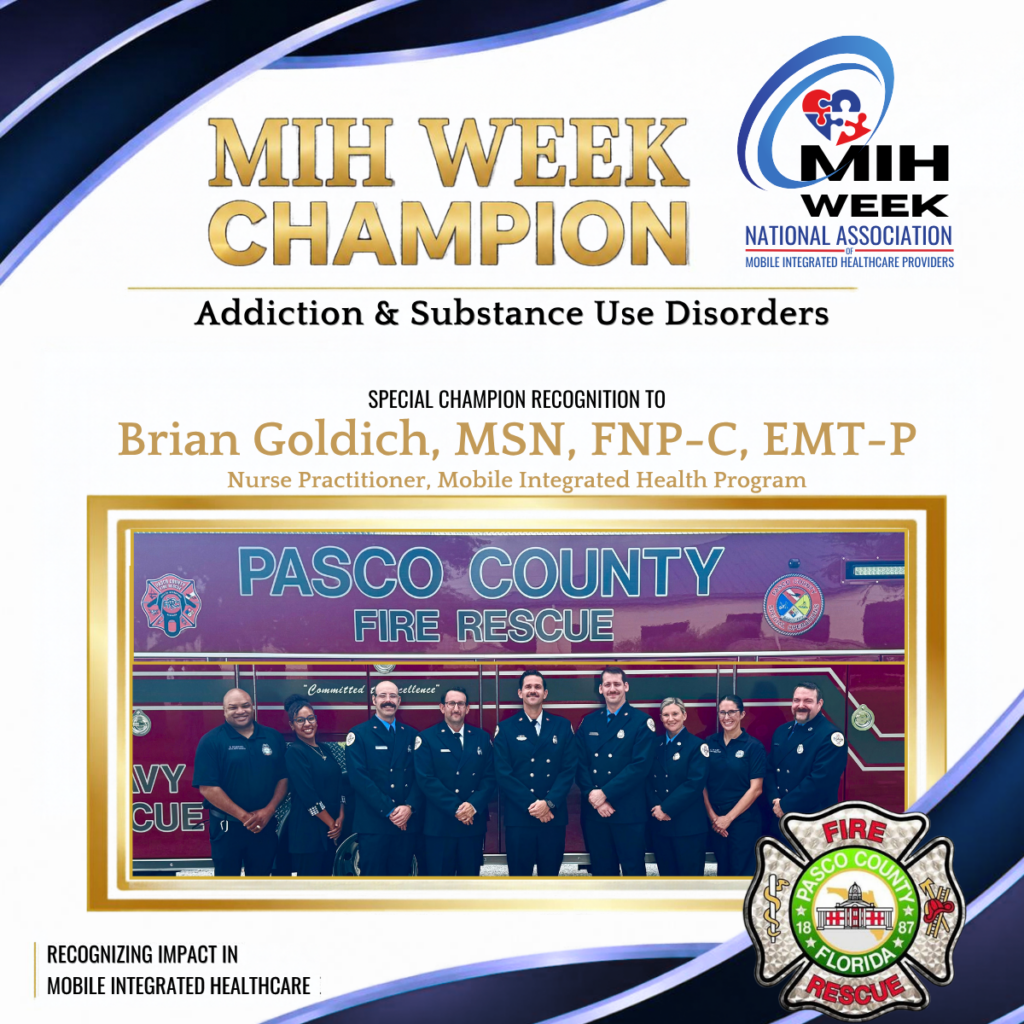
Brian Goldich, MSN, FNP-C, EMT-P
Pasco County Fire Rescue MIH
The Pasco County Fire Rescue Mobile Integrated Health (MIH) Program has evolved from a two-paramedic initiative focused on opioid use prevention into a multidisciplinary, fire-based program serving residents across more than 800 square miles of Pasco County, Florida. Today, the team brings together community paramedics, social work navigators, an advanced practice provider, and program support staff to address substance use disorder alongside behavioral health, complex chronic disease, frequent 911 utilization, and social needs.
The program’s innovative approach is built around matching each patient with the expertise needed to address the underlying drivers of crisis. By combining in-home clinical care, medication management, social work, behavioral health connections, and partnerships with hospitals, federally qualified health centers, treatment providers, corrections, and community organizations, this program exemplifies MIH/CP. Patients experiencing addiction and substance use disorders often face interconnected medical, behavioral, and social barriers addressed by the program, and outcomes show an average reduction of approximately 49% in unnecessary 911 utilization.
Brian Goldich and the Pasco County Fire Rescue MIH team exemplify how fire-based MIH can evolve beyond responding to substance-related and other emergencies to building sustained relationships, connecting individuals with treatment and community resources, and creating pathways toward stability before the next crisis occurs.
Acute Care at Home
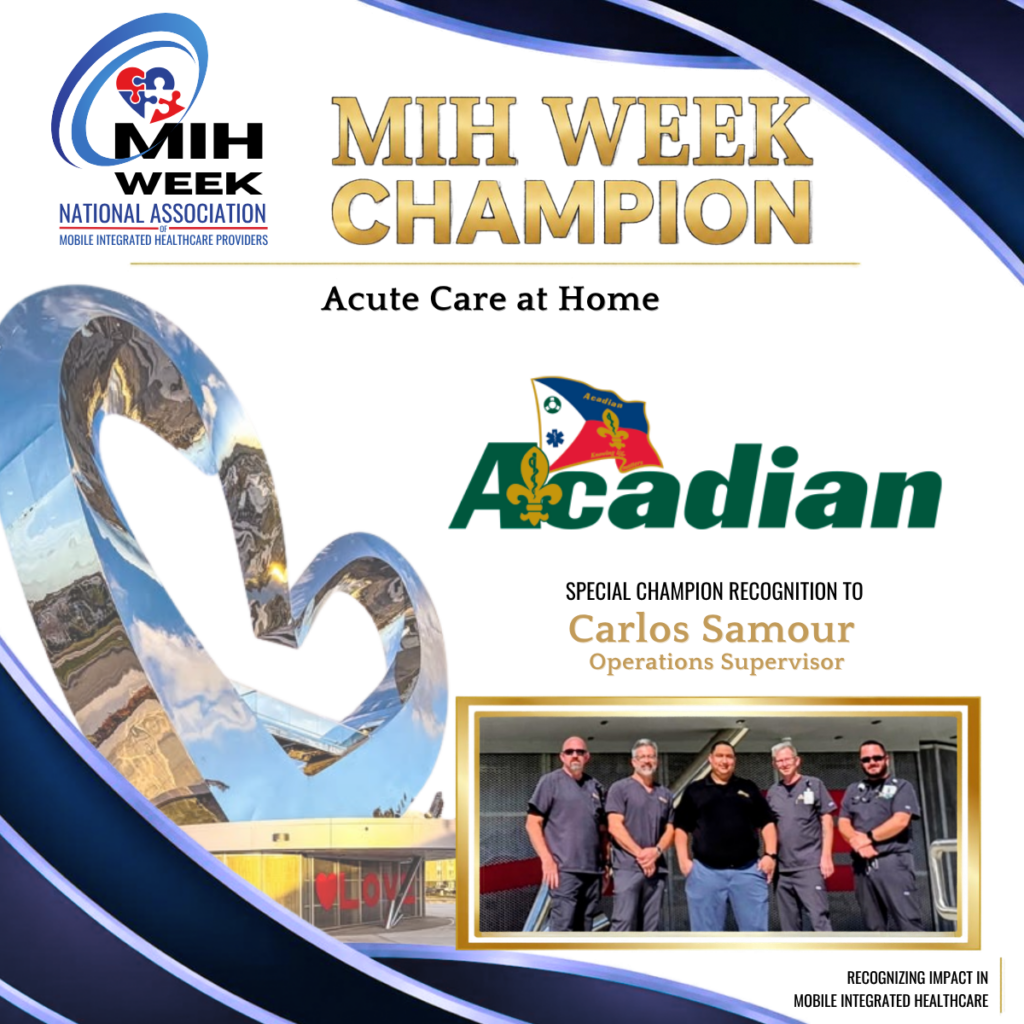
Carlos Samour, Operations Supervisor
Acadian Health Mobile Integrated Health
The Acadian Health Mobile Integrated Health Program delivers hospital-level care directly to patients in their homes across St. Lucie, Martin, and Indian River counties in Florida. Through strategic partnerships with specialized care organizations and a leading health system, the program has successfully treated more than 5,000 patients over the last 3 years. Their impact demonstrates the ability to deliver acute care at significant operational scale, including an active daily census of up to 40 patients and 10–15 new admissions per day while maintaining the clinical standards expected by its health system partners. The team continues to advance the model through ongoing training, quality improvement, expanded clinical capabilities, and technology designed to improve care delivery and efficiency.
Acadian Health MIH provides hospital-level treatment for conditions ranging from cellulitis and pneumonia to sepsis and acute kidney injury, delivering on robust clinical protocols and therapies such as IV antibiotics, as well as care for cognitively impaired patients. This approach delivers high-quality care in the familiarity and comfort of home while minimizing unnecessary strain on the healthcare system.
Carlos Samour and the Acadian Health team demonstrate how MIH can expand access to hospital-level care beyond traditional facilities while combining clinical excellence, innovation, and compassionate presence to help patients heal where they are most comfortable.
Acute Care at Home
Matthew Parent, NRP
Estella Health Mobile Integrated Health
The Estella Health Mobile Integrated Health (MIH) Program brings acute and ongoing healthcare directly into the homes of adults across Massachusetts and Rhode Island through a team of 50 nurses, paramedics, and EMTs, under the leadership of Matthew Parent, Manager of Mobile Integrated Health. In partnership with organizations including Beth Israel Lahey Health, Beth Israel Plymouth, Kent Hospital, Boston Medical Center, and instED, Estella Health’s MIH team provides urgent care at home, hospital-at-home services, chronic disease management, medication support, and readmission aversion for patients who may otherwise require care in a traditional hospital or emergency setting.
The program expands what can safely be assessed and treated in the home by bringing capabilities such as point-of-care laboratory testing, 12-lead EKGs, ultrasound, medication reconciliation, and clinical assessment directly to patients, while giving providers a fuller understanding of the patient’s environment, support system, and barriers to care.
Through its partnership with instED, Estella Health MIH is a care delivery partner contributing to a big impact instED model: more than 12,500 in-home encounters serving over 5,500 Medicare Advantage, Medicaid, and dual-eligible patients last year, with nearly 90% of encounters concluding with patients safely remaining at home that same day. By combining the clinical expertise of nursing and EMS with hospital and community partnerships, Estella Health demonstrates how MIH can safely shift appropriate acute care from the hospital to the home, improving access, supporting patient-centered care, and helping prevent unnecessary hospital visits and readmissions.
Matthew Parent and the Estella Health team exemplify how innovation in care delivery can expand the role of MIH and make the home an increasingly effective setting for high-quality acute care.
Behavioral and Mental Health
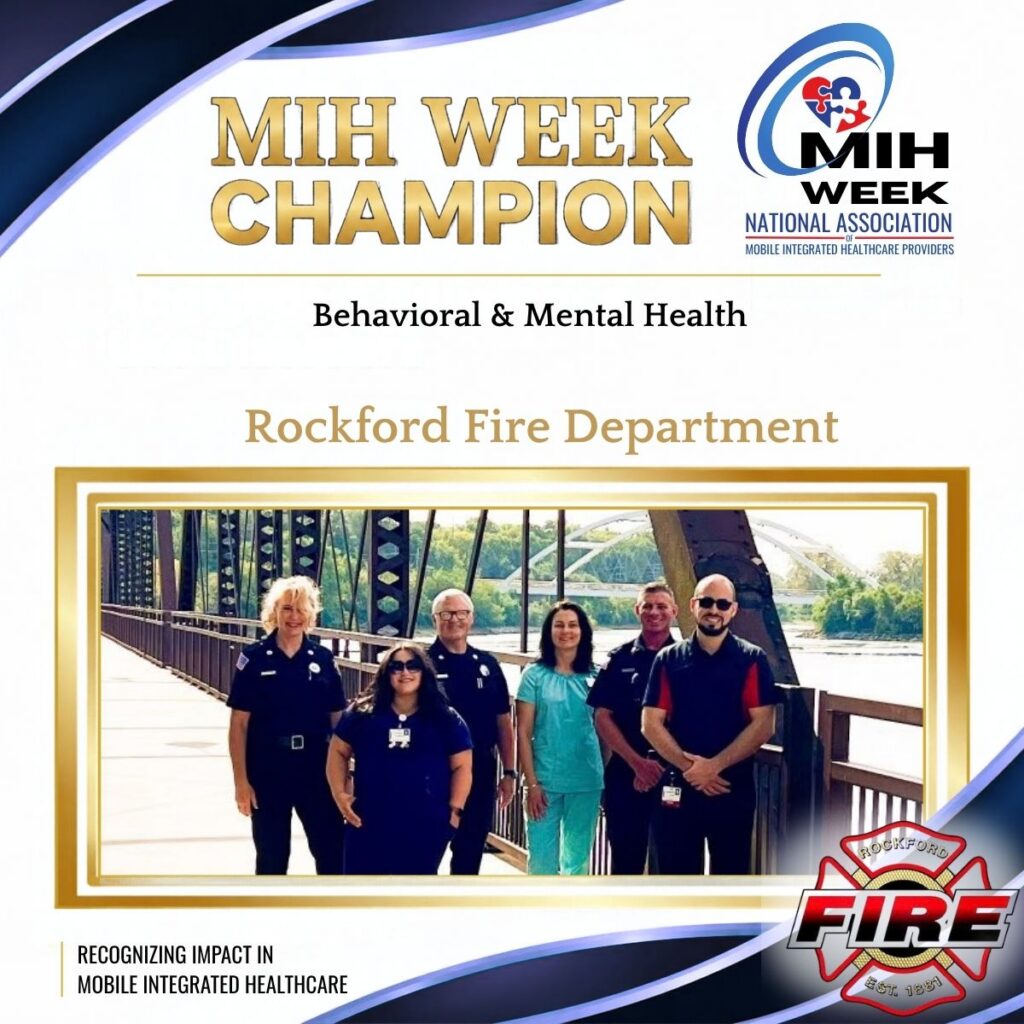
Rockford Fire Department
The Rockford Fire Department Mobile Integrated Health (MIH) Program, in partnership with UW Health SwedishAmerican and community behavioral health and social service organizations, brings an interprofessional approach to addressing the behavioral health and social needs underlying repeat 911 use. The program pairs four MIH Managers with four UW Health SwedishAmerican staff members and integrates firefighter/paramedics, behavioral health clinicians, and social services into a coordinated team rather than relying on traditional referral-and-handoff models.
With a shared data platform and joint case management, the team looks beyond the immediate reason for a 911 call to identify and address the underlying factors driving repeated crises, including behavioral health needs, substance use, housing instability, food insecurity, and gaps in access to ongoing care.
The program has grown from 12 encounters to more than 4,000 encounters annually, serving approximately 700 unique patients, while reporting approximately 99% patient satisfaction and reductions in avoidable emergency department visits and unnecessary hospital admissions. By bringing behavioral health into the center of MIH care and building a strong network of healthcare and community partners, Rockford Fire demonstrates how EMS can move from responding to recurring emergencies to addressing their root causes, advancing national priorities around behavioral health access, prevention, care coordination, and more effective use of emergency healthcare resources.
The Rockford Fire Department MIH team exemplifies how true interprofessional integration can close gaps in the healthcare and community systems and help patients receive the right support before a mental health crisis becomes a 911 emergency.
Chronic Disease and Medication Management
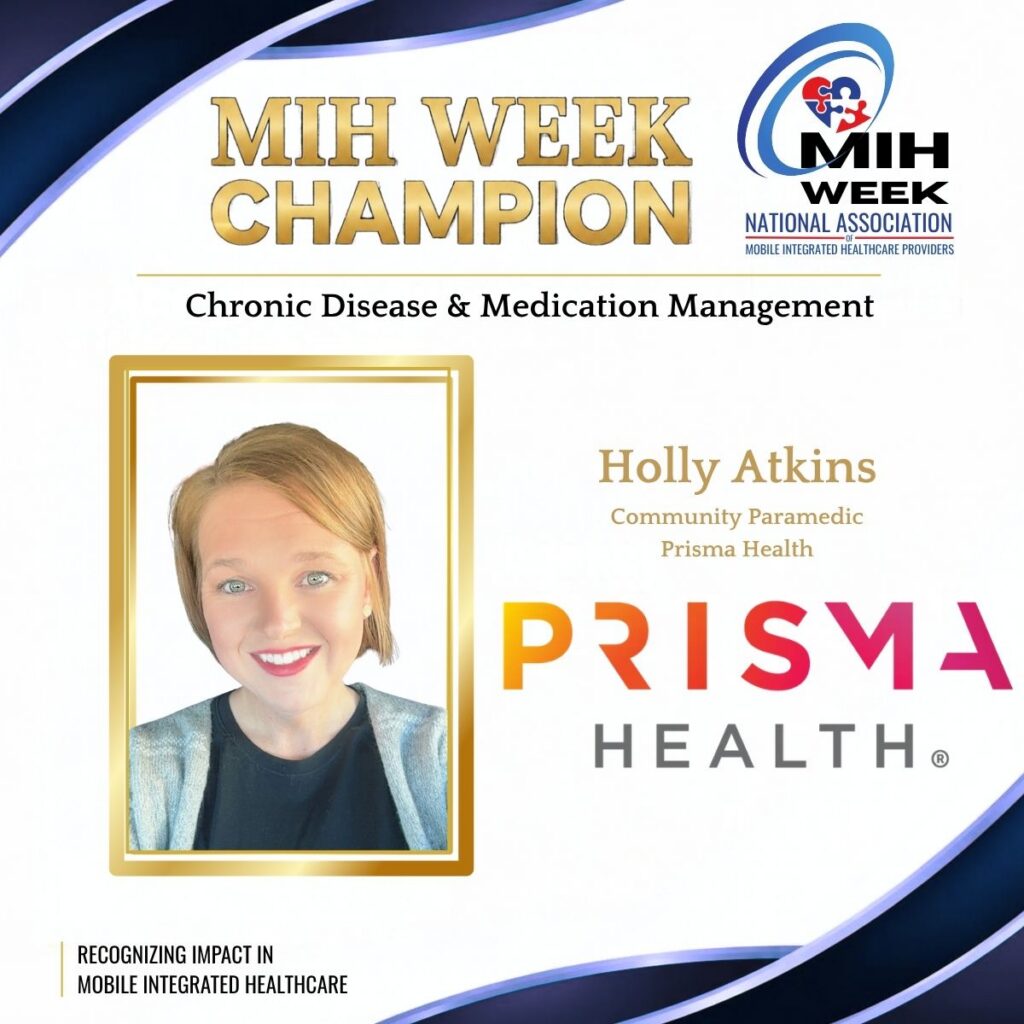
Holly Atkins, Community Paramedic
Prisma Health MIH Program
The Prisma Health Ambulance Service Mobile Integrated Health (MIH) Program demonstrates how community paramedicine can improve chronic disease and medication management in rural communities. As the sole Community Paramedic for Prisma Health Ambulance Service in Laurens County, South Carolina, Holly works directly within a rural health clinic, serving as a critical bridge between patients, clinic providers, EMS, and the broader healthcare system. With a team of 20 Community Paramedics serving approximately 13 counties across South Carolina and completing over 16,000 calls for service last year, Prisma Health’s MIH program supports chronic disease management, substance use disorder care, treat-in-place services, and readmission prevention.
Holly helps patients overcome barriers that can make chronic disease management difficult, providing wellness checks, facilitating clinic visits, and delivering care when transportation prevents patients from accessing traditional healthcare.
In one example, a patient struggling with diabetes and medication adherence was unable to reach the pharmacy or grocery store because of limited transportation and was relying on unhealthy gas-station food. The MIH team helped address the underlying transportation barrier, providing a practical way to access food and medications and regain greater independence in managing her health. Laurens County Memorial Hospital has reported record lows in unnecessary readmissions and ED bounce-backs, which hospital leadership attributes to the work of Community Paramedics in the area.
Holly Atkins and the Prisma Health MIH team demonstrate how addressing the practical barriers surrounding chronic disease can improve access, support medication adherence, and connect rural patients with the care they need. Her work exemplifies the patient-centered, community-based approach that makes MIH a powerful extension of the healthcare system.
Chronic Disease and Medication Management
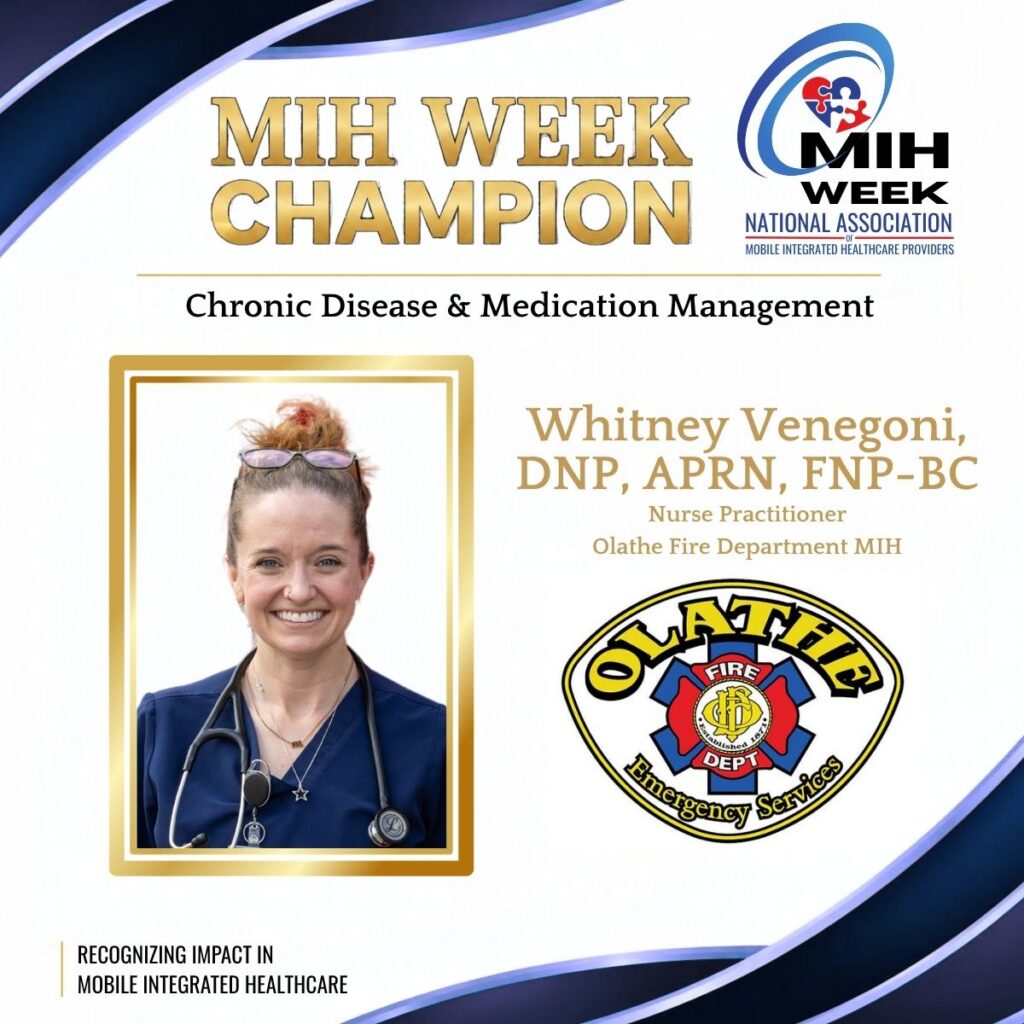
Whitney Venegoni, DNP, APRN, FNP-BC
City of Olathe Fire Department MIH
The City of Olathe Fire Department’s Mobile Integrated Health (MIH) Program brings clinical care directly into the homes of residents who need support beyond a traditional 911 response. With a multidisciplinary team of APRNs and paramedics, the program serves frequent 911 callers and residents managing complex chronic conditions who face barriers to consistent healthcare, medication access, transportation, and primary care.
A cornerstone of the program is medication management, with MIH clinicians conducting in-home medication reconciliation, coordinating refills with providers and pharmacies, delivering medications to residents with mobility or transportation challenges. Through alignment with the Health Partnership Clinic and the University of Kansas Medical Center–Olathe Campus, the program helps connect residents to ongoing primary care and strengthens the bridge between emergency response and long-term health management.
For patients who once relied on 911 because they had run out of medications, could not afford prescriptions, or struggled to manage complex regimens, this support has contributed to sustained reductions in 911 calls year over year and allowed stabilized patients to transition to routine follow-up while opening MIH capacity for others in need. By addressing medication access and adherence alongside the social factors that influence chronic disease management, the Olathe Fire Department MIH Program demonstrates how EMS can help prevent avoidable emergencies, improve continuity of care, and support healthier, more independent communities.
Whitney’s leadership, together with the contributions of the entire MIH team—including Gary Taylor and Keith Burkhart—exemplifies the power of a fire-based MIH model grounded in partnership, practical intervention, and a commitment to doing “good things, daily.”
Home Safety and Falls Prevention
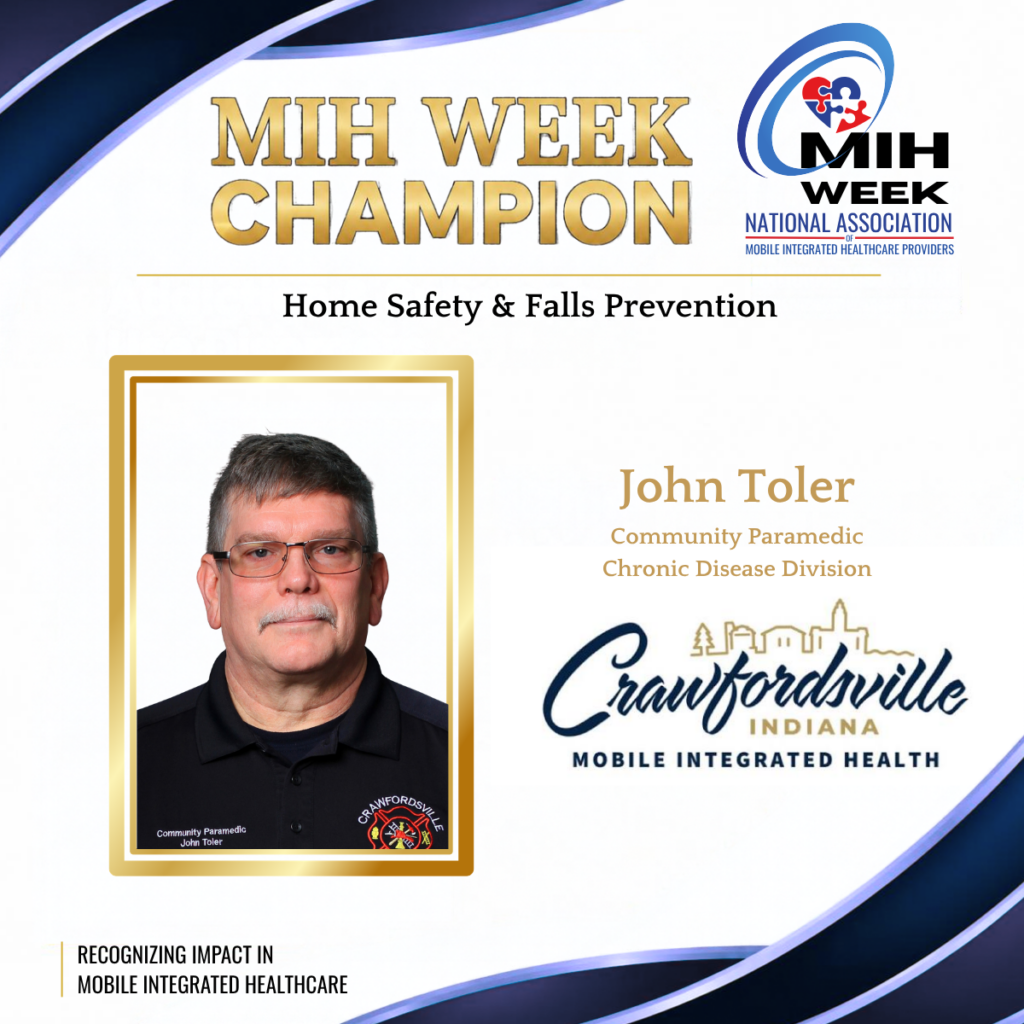
John Toler, Community Paramedic
City of Crawfordsville Mobile Integrated Health
Crawfordsville Mobile Integrated Health (MIH) serves a diverse population throughout Montgomery County, Indiana, with a focus on individuals facing barriers to traditional healthcare or at increased risk for poor health outcomes. Through health and home safety assessment, chronic disease management, maternal and infant health initiatives such as Project Swaddle, behavioral health and substance use response through the Quick Response Team, and vaccination and immunization efforts, the program brings care directly into the community while integrating medical and social needs.
Working with health systems, public health agencies, behavioral health providers, law enforcement, academic institutions, and community organizations, Crawfordsville MIH demonstrates how MIH/CP can bridge emergency response to advance national healthcare priorities. One patient with congestive heart failure, atrial fibrillation, and hypertension experienced a substantial reduction in unnecessary utilization following MIH program enrollment: in the three months before MIH, he had 9 ED visits and 2 hospital admissions (11 acute-care encounters); during the three months of MIH services, utilization declined to 4 ED visits and 1 admission (5 encounters); and in the three months following discharge, it fell further to 1 ED visit and 0 admissions (1 encounter). This case example demonstrates an overall 91% reduction in acute-care utilization from the pre-MIH period to the post-MIH period, and illustrates the potential of proactive, home-based MIH/CP intervention to improve patient engagement while reducing reliance on high-cost acute-care services.